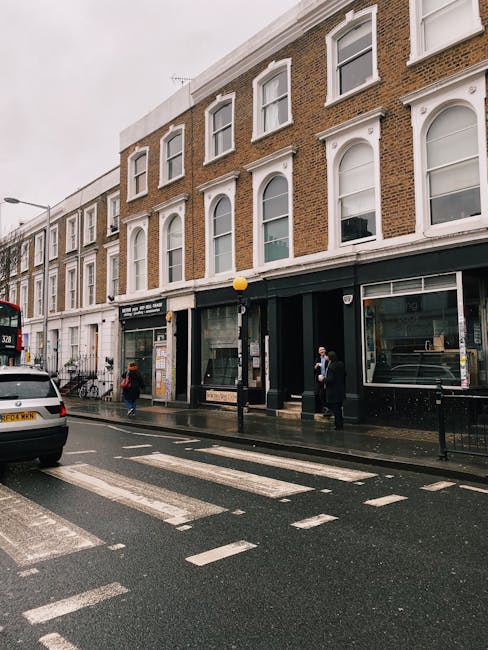
Access and parking issues for cleaners on Kensington Church Street
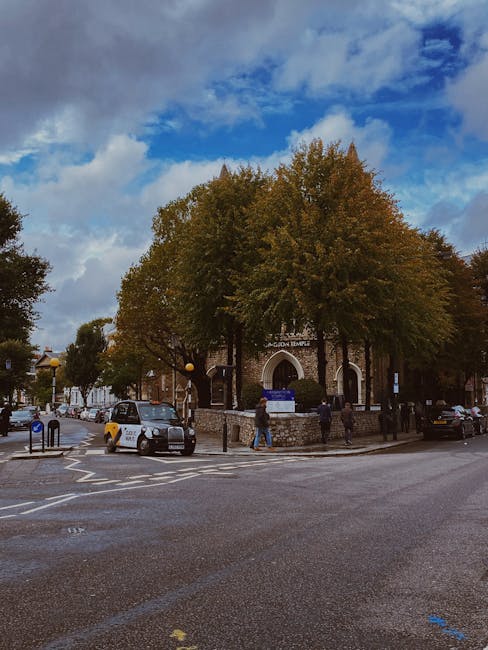
Getting a cleaner in and out of a busy London street sounds simple, until you actually try it. On Kensington Church Street, access and parking issues can turn a routine clean into a careful little logistics exercise. Narrow road space, loading restrictions, shared entrances, busy daytime footfall, and the simple problem of carrying kit from a parked vehicle all matter more than people expect.
If you are arranging domestic cleaning, house cleaning, office cleaning, or a one-off deep refresh, the practical side of access is often the difference between a smooth visit and a stressful one. The good news? A bit of planning usually solves most of it. This guide breaks down what cleaners, clients, landlords, and property managers should think about before the appointment, how access really works on a street like this, and the small details that save time, money, and frustration. No drama. Just the stuff that helps the day go right.
- Why access and parking matters
- How access and parking works in practice
- Key benefits and practical advantages
- Who this is for and when it makes sense
- Step-by-step guidance
- Expert tips for better results
- Common mistakes to avoid
- Tools, resources and recommendations
- Law, compliance and best practice
- Options and comparison
- Case study example
- Practical checklist
- Conclusion
- Frequently asked questions
Why Access and parking issues for cleaners on Kensington Church Street Matters
Kensington Church Street is the kind of place where the street itself shapes the service. That sounds obvious, but it gets forgotten all the time. A cleaner can be excellent at the actual cleaning and still lose twenty minutes to parking, buzzer confusion, or waiting at a locked entrance. On a time-sensitive visit, that delay affects everything else.
This matters for three reasons. First, it affects punctuality. Second, it affects how much equipment can be brought in comfortably. Third, it affects the overall cost if the visit needs extra time or a second trip. Even for services that look straightforward on paper, such as regular cleaning or domestic cleaning, access planning can decide whether the appointment feels calm or chaotic.
There is also a trust element. Clear access instructions tell a cleaner that the client has thought ahead. That sounds small, but it matters. A well-organised booking usually means fewer surprises and a better standard of work because the cleaner can focus on the job rather than hunting for a space or calling repeatedly at the kerb.
Expert summary: On Kensington Church Street, the best cleaning visits are usually the ones planned with the street in mind. Parking, entrance access, timing, and equipment load-in should be treated as part of the job, not an afterthought.
Table of Contents
- Why Access and parking issues for cleaners on Kensington Church Street Matters
- How Access and parking issues for cleaners on Kensington Church Street Works
- Key Benefits and Practical Advantages
- Who This Is For and When It Makes Sense
- Step-by-Step Guidance
- Expert Tips for Better Results
- Common Mistakes to Avoid
- Tools, Resources and Recommendations
- Law, Compliance, Standards, or Best Practice
- Options, Methods, or Comparison Table
- Case Study or Real-World Example
- Practical Checklist
- Conclusion
- Frequently Asked Questions
How Access and parking issues for cleaners on Kensington Church Street Works
In practical terms, the process starts before the cleaner arrives. The client or property manager should think about where the vehicle can stop, how far the cleaner will need to carry equipment, and whether there are any entry codes, concierge procedures, or lift restrictions. If any of that is unclear, the day gets harder than it needs to be. Simple as that.
For many visits, the cleaner may arrive with a compact set of tools rather than a large van full of gear. That helps, but it does not remove the need for a workable drop-off point. If the service involves bulkier items, such as machines for carpet cleaning or specialist products for oven cleaning, the access question becomes even more important.
Parking in central London often comes down to a few realistic options:
- short-term loading or unloading only
- pay-and-display or nearby paid parking, where available
- pre-arranged visitor parking, if the building offers it
- a drop-off point with a short walk to the property
The cleaner will usually choose the safest and most efficient option available on the day. But the client can make that choice easier by confirming the address format, floor level, access route, and any front-door instructions in advance. If you are booking a more involved job such as deep cleaning or after builders cleaning, this prep is not just helpful; it is almost part of the service.
One small but common detail: if the property has multiple entrances, say so. A cleaner arriving at the wrong side of the building with a trolley and a vacuum is nobody's idea of a good morning. Been there, done that, not fun.
Key Benefits and Practical Advantages
When access and parking are handled properly, the benefits are very immediate. The visit starts on time, the cleaner works more efficiently, and the whole appointment feels less disruptive. In a busy residential street, that kind of smoothness is worth a lot.
- Better timekeeping: fewer delays at the kerb or front door.
- Less physical strain: fewer long carries with vacuums, products, or steam-cleaning kit.
- Cleaner working conditions: energy goes into cleaning, not logistics.
- Lower risk of missed steps: less rushing means more attention to detail.
- Clearer expectations: everyone knows what to expect before the visit begins.
There is also a subtle quality benefit. A cleaner who is not fighting access problems can usually spend more time on the tricky bits: limescale around taps, traffic grime on windows, edges that need careful dusting, or the annoying bit behind the sofa that everyone forgets until the last moment. For services such as window cleaning or sofa cleaning, that extra breathing room really shows.
From a client perspective, better access planning often means fewer awkward reschedules and fewer add-on charges for time lost to avoidable issues. It also keeps the day calmer for residents, neighbours, and building staff. Nobody wants a van idling outside while someone searches for a key fob or tries to remember which buzzer belongs to flat 4B.
Who This Is For and When It Makes Sense
This topic matters to anyone arranging cleaning on or near Kensington Church Street, but a few groups will feel it most sharply.
- Homeowners and tenants: especially in upper floors, mansion blocks, or properties with tight stair access.
- Landlords and letting agents: where timings are narrow between check-out, inspection, and move-in.
- Airbnb and short-let hosts: when turnaround is tight and punctual entry matters a lot.
- Offices and small businesses: where access windows may be outside normal trading hours.
- Building managers and concierges: who often become the point of coordination whether they planned to or not.
It makes particular sense to think ahead when you are booking end of tenancy cleaning, move in cleaning, or move out cleaning. Those jobs often involve more equipment, more people around, and a stronger need for a defined start time. Access issues are manageable, but only if someone speaks up early.
Even for a simpler appointment, if the street is busy, the property sits above a shop, or parking is limited, you should treat the access question as part of the booking. It is not overthinking. It is just realistic. And frankly, reality wins most of the time.
Step-by-Step Guidance
If you want the visit to run smoothly, use this simple process. It keeps the planning tidy and removes a lot of avoidable stress.
- Confirm the full address and entrance details. Include flat number, building name, side entrance, concierge desk, or any rear access point.
- Explain parking constraints clearly. Say whether there is resident parking, visitor parking, loading-only access, or no on-street option at all.
- Share timing restrictions. Some buildings only allow deliveries or contractor access at certain times. If that applies, mention it before the booking is confirmed.
- List access requirements. Key safe codes, intercom instructions, lift use, or someone meeting the cleaner at the door should all be noted in advance.
- Match the service to the logistics. A standard clean needs different preparation from a heavy-duty commercial cleaning appointment or a specialist job like upholstery cleaning.
- Allow a realistic arrival buffer. In a busy part of London, a few extra minutes can make the whole difference.
- Keep the cleaner updated. If parking changes, a gate is locked, or another contractor is blocking access, say so quickly.
A practical example: a cleaner arrives to do a pre-tenancy refresh, but the lift is out of service and the only parking is two streets away. If nobody warned them, the job may still get done, but it will be slower and more tiring. If that same detail is shared earlier, the cleaner can bring lighter kit, allow extra time, or adjust the order of tasks. Very different day.
Expert Tips for Better Results
In our experience, the smallest access details often save the most time. Here are the things worth getting right.
- Send instructions in writing. A short note or message is better than a rushed phone explanation while the cleaner is already on the road.
- Use landmarks, not just flat numbers. On a street with mixed-use buildings, the right front door matters more than the postcode alone.
- Think about kit weight. If the visit includes machines, ladders, or wet-cleaning equipment, the walk from vehicle to property becomes a real factor.
- Tell the cleaner about fragile parking conditions. Low ceiling barriers, narrow bays, and tight one-way streets can turn into problems fast.
- Prepare internal access too. Once inside, furniture move-around, locked rooms, and pet gates can create mini-delays of their own.
For larger properties or repeated visits, it can be useful to keep a simple access note saved on your phone. Sounds a bit fussy, maybe, but it prevents the same old back-and-forth every month. Name on buzzer. Lift code. Best parking side. Job done.
If you use recurring services such as regular cleaning, the cleaner will usually appreciate consistency more than perfection. Same arrival routine, same entrance, same parking pattern. That predictability makes the work faster and less error-prone.
Common Mistakes to Avoid
Most access and parking problems are not dramatic. They are just annoying, which is somehow worse. Here are the mistakes that tend to cause the most friction.
- Assuming parking will sort itself out. On a busy London street, that is a gamble.
- Leaving out entrance details. Many properties have more than one way in, and the wrong one wastes time.
- Forgetting to mention stairs or lift restrictions. Even one flight can matter if heavy kit is involved.
- Booking a big service without checking access first. Jobs like one off cleaning or after builders cleaning often need more room and more time.
- Not warning about shared building rules. Some blocks are strict about where tools can be left or how contractors sign in.
- Calling access problems "minor" when they are not. A five-minute walk with supplies in the rain is a real issue, not a tiny one.
One thing people often overlook is the effect on the cleaner's rhythm. If they have to pause three times before they even reach the property, the whole schedule gets knocked out. That is where mistakes creep in. Nothing mysterious, just human nature.
Tools, Resources and Recommendations
You do not need special software to handle access well, but a few simple tools and habits help a lot.
- Written booking notes: keep access instructions in the same place each time.
- Phone reminder: useful if you need to arrange a parking permit, meet-and-greet, or concierge sign-in.
- Building contact details: if a porter or manager needs to unlock access, have their number ready.
- Service checklist: especially helpful for move-related jobs, office cleans, or more involved deep cleaning.
From a service-planning angle, it also helps to choose the right cleaning type in the first place. For example, a straightforward flat may suit domestic cleaning, while a busy shared hallway or communal entrance might need communal area cleaning. A home with heavy fabric furnishings may be better matched with upholstery cleaning or rug cleaning as separate appointments.
If you are comparing services, useful page references include pricing and quotes, the health and safety policy, and insurance and safety. Those pages help set expectations for how a professional cleaner should approach the job, especially where equipment handling or building access is involved.
And if you need to speak to the team directly about an unusual access setup, the contact page is the sensible place to start. No need to make things complicated.
Law, Compliance, Standards, or Best Practice
Access and parking for cleaners is not usually a legal minefield, but it does sit within a few important UK best-practice areas: safe working, fair access arrangements, property rules, and clear communication. The exact details depend on the building, the local parking restrictions, and the nature of the cleaning work.
What matters in practice is this: cleaners should not be expected to work unsafely or illegally to complete a visit. That means no blocking emergency access, no asking a cleaner to carry unsafe loads over long distances if a better solution exists, and no treating building rules as optional because "it will be fine this once". That phrase is a classic, and rarely helpful.
For more involved work, proper planning supports health and safety expectations, helps protect property, and reduces the risk of damage or missed instructions. It also ties in neatly with the company's own operational standards, including the terms and conditions and accessibility statement. Those pages are useful reminders that services should be organised in a way that is clear, fair, and workable for everyone involved.
One more thing: if a property has residents with mobility needs, shared entrances, or time-specific building rules, the access plan should be adjusted respectfully. Best practice is not complicated. It is mostly about thinking ahead and being decent about the other person's time.
Options, Methods, or Comparison Table
There is no single "best" access solution for every property. It depends on the building, the street conditions, and the type of clean. This table gives a practical comparison.
| Access method | Typical pros | Typical drawbacks | Best suited to |
|---|---|---|---|
| Parking very close to the entrance | Fast load-in, less carrying, easier for heavier equipment | Not always available on a busy street | Deep cleans, carpet work, larger homes |
| Short walk from paid parking | Often realistic in central areas, flexible | Slower setup, more physical carrying | Standard domestic cleaning, regular visits |
| Pre-arranged building access | Predictable entry, fewer delays | Depends on concierge or resident availability | Office cleaning, managed blocks, move-in jobs |
| Meet at the entrance | Reduces confusion, good for first-time visits | Needs someone available at the exact time | End of tenancy, unfamiliar properties, one-off cleans |
For many Kensington Church Street appointments, the "best" option is the one that removes friction, not the one that looks tidy on paper. A smooth five-minute walk with a trolley beats a perfect parking plan that nobody can actually use.
Case Study or Real-World Example
Here is a realistic example. A client books a spring clean for a third-floor flat above a mixed-use parade. They expect the cleaner to park nearby, carry equipment up, and get started quickly. On the day, the street is busier than expected, the nearest space is occupied, and the entrance code was never shared. Two small oversights, and now the cleaner is waiting outside while the client is on a call. Not ideal.
After that first visit, the client changes the process. They send the building entry instructions the day before, note the best unloading side, and warn that daytime parking is tight. Next time, the cleaner arrives, loads in once, and gets straight to work. Less wandering around. Less back-and-forth. Better pace from the start.
It is a tiny thing, really, but the difference in feel is obvious. The second visit is calmer. The cleaner is less tired, the client is less stressed, and the property gets more attention. That is usually what people want, even if they do not say it out loud.
Practical Checklist
Use this checklist before the cleaner arrives on Kensington Church Street. It is simple, but it catches the common issues.
- Full address confirmed, including flat or unit number
- Best entrance or access point identified
- Parking or unloading option checked in advance
- Buzzer, key, or entry code shared clearly
- Lift access or stair-only access noted
- Any concierge, porter, or sign-in requirement explained
- Time restrictions or building rules passed on
- Heavy equipment needs mentioned if relevant
- Pets, alarms, or fragile items flagged early
- Cleaner contact details saved for arrival updates
If you are booking a specialist service like mattress cleaning, oven cleaning, or window cleaning, check whether the access route makes the work safer and faster. A good checklist is not about being fussy. It is about making the whole day easier for everyone.
Get a free quote today and see how much you can save.
Conclusion
Access and parking issues for cleaners on Kensington Church Street are not a side topic. They are part of the service. When you plan them properly, the job becomes smoother, safer, and usually better value too. When you ignore them, even a straightforward clean can start to feel oddly complicated.
The practical takeaway is easy: share the entrance details, think through parking honestly, and match the cleaning visit to the building reality. That is how you protect time, energy, and the quality of the work. Truth be told, it is usually the boring admin that makes the whole thing feel professional.
And once that is sorted, the rest of the day can do what it should: simply get cleaned up, properly.
Frequently Asked Questions
What is the main access issue for cleaners on Kensington Church Street?
The main issue is usually a combination of limited parking, narrow loading space, and the need to carry equipment from the vehicle to the property. In some buildings, entry codes or concierge procedures add another layer. It is rarely one big problem; more often, it is three small ones at once.
Should I arrange parking for the cleaner in advance?
Yes, if you can. Even if you cannot secure a dedicated space, it helps to explain the nearest realistic parking or unloading option. A cleaner can plan around a short walk. What causes trouble is uncertainty.
Do cleaners need to know about lift access or stairs?
Absolutely. Lift access, stair-only access, and any restrictions on using service lifts all affect how long the visit will take and what equipment is practical to bring. It is one of those details that feels small until you are carrying a vacuum up several flights.
Does access affect the price of cleaning?
It can, depending on the service and the amount of extra time or effort involved. Not every job changes in price, but difficult access may influence the quote for larger or more involved cleans. The safest approach is to be honest about the layout before booking.
What should I tell the cleaner before they arrive?
Share the full address, best entrance, parking instructions, buzzer or key code, floor level, and any building rules. If the property has tricky access, say so plainly. It saves everyone from guesswork later.
Are parking problems worse for deep cleaning jobs?
Usually, yes. Deep cleaning often involves more equipment, more products, and more time on site. If parking is difficult, the visit may still go ahead, but the setup takes longer. Planning becomes even more important.
What if there is no parking nearby at all?
Then the cleaner usually needs a clear drop-off plan or a nearby unloading point. It may still be workable, but the appointment should be arranged with that reality in mind. It is better to accept the limitation early than to discover it with a van outside and no space to stop.
How far in advance should I discuss access details?
Ideally at booking stage, or as soon as the property details are known. Last-minute updates help, but earlier is better. For move-related or specialist services, the access details should be confirmed before the appointment day.
Can access issues affect regular cleaning appointments?
Yes, especially if the cleaner visits repeatedly and needs a reliable entry routine. Regular cleaning works best when access is consistent. That way, the cleaner can get straight to work instead of re-solving the same parking puzzle every week.
What is the best way to make access easier for a cleaner?
Keep the instructions simple and specific. Give a clear entrance point, mention the parking reality, and make sure any codes or contact names are up to date. Small clarity saves big time. That is really the whole game.
Is it useful to book a cleaner for quieter times of day?
Often, yes. Quieter times can make parking, loading, and building entry easier, especially in busier areas. The best slot depends on the property and the kind of cleaning being done, but less traffic usually helps. You do not need a perfect time, just a sensible one.
Where can I check service details before I book?
Useful starting points include the pages for pricing and quotes, insurance and safety, and terms and conditions. If you have a specific question, the contact page is the best place to ask directly.