Deep Cleaning: A Complete Approach to a Fresher, Healthier Space
Deep cleaning is more than a quick tidy-up. It is the kind of detailed, room-by-room cleaning that targets hidden dirt, stubborn grime, dust buildup, and overlooked surfaces that regular cleaning often misses. Whether you are preparing for guests, refreshing your home after a busy season, or trying to create a healthier environment, deep cleaning can make a dramatic difference in how your space looks, feels, and smells.
Many people search for deep cleaning because they want a more thorough result than basic cleaning can provide. Instead of focusing only on visible surfaces, deep cleaning reaches into corners, behind furniture, inside appliances, and across high-touch areas that often collect bacteria and allergens. This level of care helps create a cleaner living environment and can also support better indoor air quality.
From kitchens and bathrooms to bedrooms and common areas, deep cleaning brings structure to the process of restoring order. It is also highly flexible. Some people do it seasonally, others schedule it before moving in or out, and many businesses rely on deep cleaning to maintain a polished and professional space. No matter the setting, the value is the same: a more sanitary, organized, and comfortable place to live or work.
What Deep Cleaning Really Means
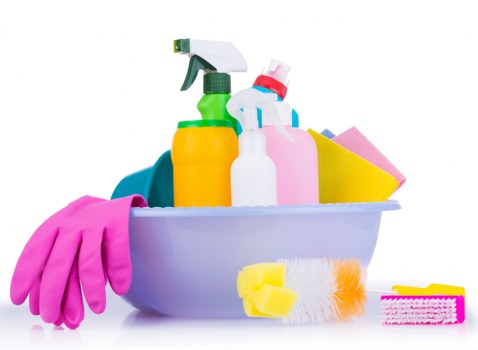
Deep cleaning is a detailed cleaning process that goes far beyond routine dusting and vacuuming. It involves removing built-up grime, disinfecting key surfaces, cleaning hidden areas, and tackling tasks that are usually skipped during everyday maintenance. A deep cleaning service often includes scrubbing baseboards, sanitizing light switches, washing trim, cleaning behind appliances, and addressing areas that collect dirt over time.
Unlike standard cleaning, which focuses on keeping a space presentable, deep cleaning aims for a deeper level of sanitation and freshness. This is why the process is often recommended for homes that have not been cleaned thoroughly in a while, spaces with pets, high-traffic areas, or properties that need a reset after renovations, illness, or seasonal change. Deep cleaning helps restore a space to a noticeably better condition.
The word deep matters because the process is intentional and thorough. It does not just make a room look cleaner; it targets the layers of buildup that influence health, smell, and appearance. If your space has been feeling stale, dusty, or cluttered, a proper deep cleaning can be the turning point.
Why Deep Cleaning Matters for Homes and Workspaces
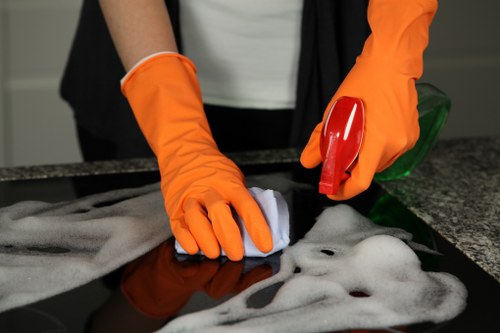
Deep cleaning matters because dirt accumulates gradually in places people rarely notice. Even if your home looks tidy on the surface, dust can settle on ceiling fans, debris can build up under furniture, and grease can cling to kitchen cabinets. In workplaces, the same issue appears in shared desks, break rooms, restrooms, and entryways. Deep cleaning addresses all of these hidden trouble spots.
One major benefit of deep cleaning is improved hygiene. By cleaning and disinfecting areas that are touched often, such as door handles, faucet knobs, railings, and switches, you reduce the spread of germs. This is especially important in households with children, older adults, or anyone with a sensitive immune system.
Another benefit is a better living experience overall. A clean environment feels calmer, brighter, and more welcoming. It can even improve productivity in a workspace. When rooms are free from clutter and buildup, people often find it easier to focus, relax, and enjoy the space. That is one reason deep cleaning is not just about appearance; it is about comfort and function too.
Signs It Is Time for Deep Cleaning
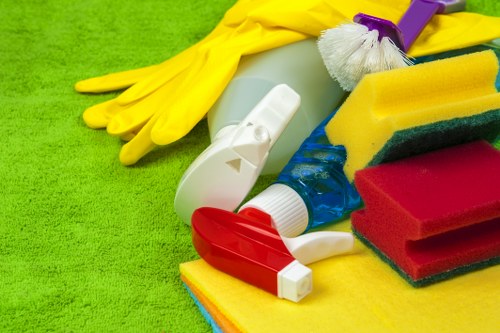
There are several clear signs that your home or business needs deep cleaning. One of the most obvious is visible buildup on surfaces that normally stay clean. For example, if you notice soap scum in the shower, grease on kitchen walls, dust on ceiling edges, or smudges on doors and switches, it may be time for a deeper approach.
Another sign is persistent odors. If your space smells musty, stale, or like food, pets, or cleaning products that never quite neutralize the smell, hidden dirt may be the cause. Deep cleaning often improves odor because it removes the source rather than simply masking it. Freshness usually starts with removing buildup, not covering it up.
You may also need deep cleaning before a major event, after an illness, at the change of seasons, or when moving in or out of a property. If your normal routine no longer feels sufficient, deep cleaning can help restore cleanliness and give you a fresh start.
Common warning signs include:
- Dust returning very quickly after routine cleaning
- Grime in corners, grout lines, or around fixtures
- Kitchen grease or sticky residue on cabinets
- Bathroom soap scum or mineral buildup
- Cluttered, neglected, or hard-to-reach areas
Room-by-Room Deep Cleaning Priorities
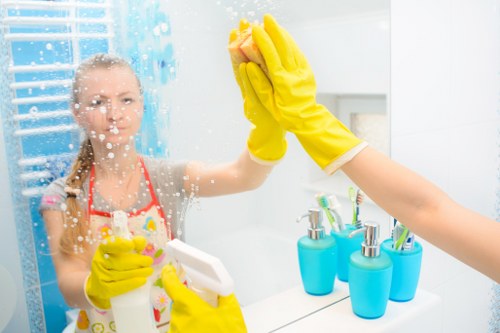
Every room has different cleaning needs, which is why deep cleaning should be tailored to the space. A kitchen, for example, usually requires degreasing, appliance cleaning, and detailed surface sanitation. Bathrooms need descaling, scrubbing, and disinfecting. Bedrooms and living areas often need dust removal, upholstery attention, and hidden-area cleaning.
By breaking the process into zones, deep cleaning becomes much more manageable. It also helps ensure that no major area is forgotten. Structured deep cleaning is usually more effective than jumping randomly from one task to another, especially if the space is large or has been neglected for some time.
This room-by-room mindset also makes it easier to schedule work over one day or several sessions. Some people prefer to handle all high-traffic areas first, while others start with the dirtiest room and move outward. Either way, the goal remains the same: thorough, methodical cleaning that leaves nothing behind.
Kitchen deep cleaning tasks
- Clean and degrease stovetops, range hoods, and backsplash areas
- Wipe inside and outside of cabinets and drawers
- Scrub sinks, taps, and counters
- Clean inside ovens, microwaves, and refrigerators
- Sanitize handles, switches, and appliance surfaces
Bathroom deep cleaning tasks
- Scrub showers, tubs, grout, and tile
- Remove soap scum and mineral buildup
- Disinfect toilets, sinks, and counters
- Clean mirrors, fixtures, and vents
- Wash floors, baseboards, and behind-toilet areas
Benefits of Professional Deep Cleaning
Professional deep cleaning is often the best option when you want a thorough result without spending hours on physically demanding tasks. Professional cleaners bring equipment, supplies, and experience that help them reach deeper levels of cleanliness more efficiently. They know how to handle tough grime, delicate surfaces, and specialized materials safely.
One major advantage is consistency. A trained team follows a process, which means fewer missed spots and a more predictable outcome. This can be especially valuable for landlords, tenants, property managers, office managers, and homeowners preparing for special occasions. Deep cleaning done professionally can save time, effort, and frustration.
Another benefit is specialized treatment. Some surfaces require careful handling, while others benefit from particular cleaning agents or tools. Professional services often know how to deal with stone countertops, stainless steel, upholstery, tile grout, and hard-to-reach dust without causing damage. If you want results that are both visible and lasting, professional deep cleaning may be worth the investment.
Deep Cleaning vs Regular Cleaning
People often confuse deep cleaning with regular cleaning, but the two are not the same. Regular cleaning focuses on maintenance. It includes common tasks like sweeping, wiping counters, mopping floors, taking out trash, and cleaning visible surfaces. Deep cleaning goes further by targeting built-up residue, neglected areas, and sanitation-heavy zones.
For example, routine cleaning might wipe the outside of a refrigerator, while deep cleaning includes cleaning behind and inside it. Routine cleaning might sanitize a toilet, but deep cleaning also addresses grout, baseboards, and hidden dust around bathroom fixtures. The difference is depth, detail, and intensity.
Both types of cleaning are important. Regular cleaning keeps your space livable, while deep cleaning resets it. When combined, they create a healthier and more attractive environment over time. Many homeowners find that scheduling deep cleaning periodically makes weekly cleaning faster and easier.
Quick comparison
- Regular cleaning: maintenance, visible surfaces, frequent tasks
- Deep cleaning: buildup removal, hidden areas, disinfecting, detail work
- Result: deeper hygiene, fresher air, and more polished appearance
How Often Should Deep Cleaning Be Done?
The ideal frequency for deep cleaning depends on your lifestyle, the size of your space, and the amount of activity it sees. In many homes, deep cleaning is done every three to six months. However, households with children, pets, allergies, or heavy foot traffic may benefit from more frequent deep cleaning sessions.
Businesses often require a regular deep cleaning schedule as well. Offices, clinics, retail locations, restaurants, and rental properties all have different needs, but consistent detailed cleaning supports better presentation and hygiene. If the environment gets a lot of daily use, grime and bacteria can accumulate quickly. Deep cleaning helps stay ahead of that buildup.
Seasonal cleaning is also common. Many people schedule deep cleaning in spring or fall to refresh the home before a major weather shift. Others prefer it after holidays or large gatherings. The right schedule is the one that keeps your environment looking clean, feeling fresh, and functioning well.
Factors that affect frequency
- Number of occupants in the space
- Presence of pets or children
- Allergy or asthma concerns
- Level of foot traffic
- Type of property or business
Tools and Supplies Commonly Used in Deep Cleaning
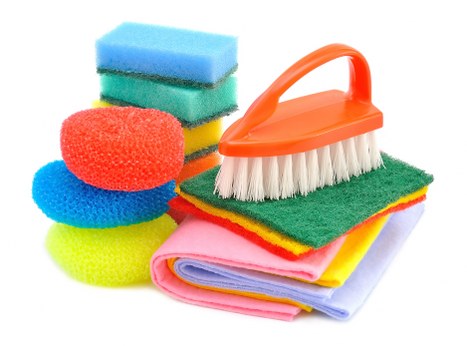
Effective deep cleaning usually requires more than a basic broom and spray bottle. The right tools can make a big difference in how well dirt, grease, and buildup are removed. Microfiber cloths, scrub brushes, vacuum attachments, mop systems, disinfectants, degreasers, and grout cleaners are all useful depending on the task.
Some cleaning products are designed for specific surfaces, such as glass, stainless steel, wood, tile, or stone. Using the wrong product can leave residue or damage a finish. That is why deep cleaning should be approached with care and attention to the material being cleaned. Choosing the right tool often saves time and protects your surfaces.
In professional settings, steam cleaners, HEPA-filter vacuums, and commercial-grade disinfectants may also be used. These tools help reach deeper levels of sanitation and can be especially helpful for allergy-sensitive households or busy commercial spaces.
Useful deep cleaning supplies include
- Microfiber towels and dusters
- Scrub pads and detail brushes
- Vacuum with crevice tool
- Mop and bucket system
- Degreaser and multipurpose cleaner
- Disinfectant for high-touch surfaces
- Glass cleaner and lint-free cloths
Deep Cleaning Tips for Better Results
Good results start with a plan. Before you begin deep cleaning, clear clutter from the area so you can access hidden spots. Work from top to bottom so dust and debris fall toward floors that will be cleaned later. This simple method prevents redoing work and keeps the process efficient.
It also helps to focus on one room at a time. That way, you can finish each space fully instead of leaving several areas half-done. Many people find that setting a timer or checklist helps them stay organized. Deep cleaning is easier when the process is broken into steps.
Do not rush the detail work. The most noticeable improvements often come from the smallest tasks, such as wiping switch plates, cleaning baseboards, or dusting vents. These are the details that make a space feel truly refreshed rather than simply tidied.
Practical tips for success
- Declutter before you start cleaning
- Work from top surfaces down to floors
- Use the proper cleaner for each material
- Pay attention to corners, edges, and hidden areas
- Ventilate the space while using products
Health and Wellness Benefits of Deep Cleaning
Deep cleaning can support health and wellness in several ways. It helps reduce dust, pet dander, pollen, and other allergens that may collect in carpets, vents, and fabrics. For people with allergies or respiratory sensitivity, a cleaner environment can make breathing easier and reduce irritation.
It can also lower the number of germs on frequently touched surfaces. Although cleaning is not a substitute for medical care or proper hygiene, it can reduce the buildup that contributes to an unhygienic setting. A well-cleaned home or workplace often feels less stressful and more pleasant to be in.
There is also a mental benefit. Clutter and mess can be distracting, and dirty surroundings can create a sense of unease. Deep cleaning often improves mood by creating visible order and a greater sense of control. A fresher space can support a fresher mindset.
When to Choose a Deep Cleaning Service
There are many situations where a deep cleaning service makes sense. If you are short on time, facing a large property, or dealing with a space that needs more than routine maintenance, professional help can provide a stronger result. This is especially useful before or after moving, after a renovation, or before hosting an important event.
Businesses may also choose deep cleaning services during off-hours to avoid interrupting operations. Offices, medical spaces, hospitality venues, and rental properties often benefit from detailed cleaning that improves both presentation and sanitation. In many cases, deep cleaning is the fastest route to a noticeably better space.
If you have not deep cleaned in a long time, or if the job feels too overwhelming to handle alone, hiring a trusted service can be the practical choice. The convenience and quality can be well worth it.
Whether you do it yourself or hire help, the key is consistency. Deep cleaning is not a one-time luxury; it is a smart part of maintaining a clean, healthy, and appealing space. If your home or workplace is ready for a reset, contact us today or book your service now to get started on a cleaner environment.
Final Thoughts on Deep Cleaning
Deep cleaning is one of the most effective ways to restore freshness, remove hidden dirt, and improve the overall condition of a space. It reaches beyond the surface, targeting the buildup that ordinary routines often leave behind. Whether you are focused on hygiene, comfort, appearance, or long-term maintenance, the benefits are substantial.
By understanding what deep cleaning includes, how often it is needed, and where to focus your energy, you can create a more effective cleaning routine. The result is not just a cleaner room, but a cleaner, healthier, and more enjoyable environment. Deep cleaning delivers a difference you can see and feel.
If your space needs more than a quick refresh, now is the perfect time to act. Deep cleaning can transform a busy home or workplace into a cleaner, more inviting place. Book your service now and take the first step toward a brighter, healthier space.