Mattress Cleaning for a Healthier, Fresher, and More Comfortable Sleep
Why Mattress Cleaning Matters More Than Most People Realize
Mattress cleaning is often overlooked, yet it plays a major role in sleep quality, indoor hygiene, and overall comfort. Your mattress is one of the most frequently used items in your home, but unlike sheets and pillowcases, it does not get washed regularly. Over time, it collects dust, dead skin cells, sweat, body oils, allergens, and even microscopic pests. This buildup can affect not only how your mattress looks and smells, but also how well you sleep.
Many households focus on surface cleaning, but proper mattress cleaning goes deeper. It helps reduce odor, supports a cleaner sleep environment, and may even extend the life of your mattress. Whether you have a memory foam bed, hybrid model, latex mattress, or traditional innerspring design, consistent cleaning keeps it fresher and more comfortable.
For families, pet owners, allergy sufferers, and anyone who values a clean bedroom, mattress cleaning is not a luxury—it is a practical habit. It is also one of the simplest ways to maintain a healthier sleep space without replacing the mattress too soon.
What Builds Up in a Mattress Over Time?

A mattress may look clean on the outside, but inside the layers and on the surface, many contaminants can accumulate. Understanding what collects in your bed helps explain why mattress cleaning is so important.
Common buildup includes:
- Dust mites and their waste
- Dead skin cells
- Sweat and body oils
- Food crumbs and drink spills
- Pet dander and hair
- Mold or mildew from moisture
- Odors from daily use
These materials can create a less hygienic sleeping surface and may trigger allergy symptoms in sensitive individuals. In humid climates especially, trapped moisture can become a bigger issue. That is why mattress cleaning should be part of regular bedroom care, not something done only when a problem becomes obvious.
How Mattress Cleaning Supports Better Sleep

Sleep experts often stress the importance of a calm, comfortable sleeping environment. Clean bedding is part of that equation, and mattress cleaning supports it in several ways. A fresher mattress can make a bedroom feel more inviting, which may help you relax more easily at night.
Clean mattresses may also reduce common irritants. If you wake up congested, itchy, or uncomfortable, the problem may not be your pillow alone. Dust and allergens trapped in the mattress can contribute to a disrupted night’s rest. With regular mattress cleaning, you help create a space that feels lighter, cleaner, and more restful.
Better sleep often starts with a cleaner surface beneath you. Even small improvements in bedroom hygiene can make a noticeable difference in how refreshed you feel in the morning.
Signs Your Mattress Needs Cleaning
Not sure whether your mattress needs attention? There are several clear signs that indicate it is time for a proper cleaning.
Common warning signs
- Persistent odors, even after changing sheets
- Visible stains or spots
- Increased allergy symptoms at night or in the morning
- Dust buildup around seams and edges
- Unexplained discomfort when sleeping
- Signs of moisture, mildew, or dampness
- Pet hair or dander embedded in the fabric
If your mattress has one or more of these issues, it likely needs more than a quick vacuum. A deeper mattress cleaning routine can remove debris, neutralize odors, and improve the overall feel of the bed.
Regular inspection is especially important if you have children or pets. Spills and accidents can happen quickly, and early cleaning helps prevent long-term damage.
Basic Mattress Cleaning Steps for Homeowners
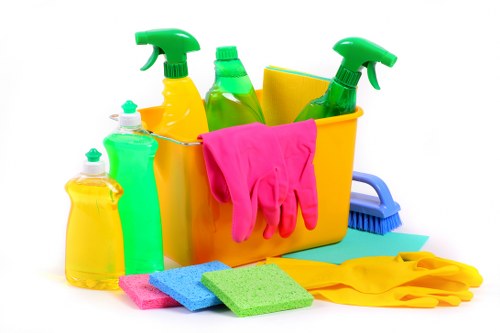
You do not always need specialized equipment to keep your mattress in good condition. In many cases, a simple at-home mattress cleaning routine is enough to handle everyday dirt and odors.
Step-by-step cleaning process
- Remove bedding and wash sheets, blankets, and mattress protectors.
- Vacuum the mattress using an upholstery attachment to remove dust and loose debris.
- Spot clean stains with a mild cleaner suitable for your mattress type.
- Deodorize by lightly sprinkling baking soda over the surface and letting it sit before vacuuming.
- Allow the mattress to dry completely before putting bedding back on.
This process is effective for routine maintenance. However, it is important to avoid soaking the mattress with too much water. Excess moisture can seep into the core and create mold or mildew problems. A careful approach is always better than aggressive scrubbing.
Mattress cleaning should be gentle, thorough, and compatible with the material of the bed. Memory foam, for example, requires different care than a spring mattress.
How to Clean Different Mattress Types
Not all mattresses are made the same, so mattress cleaning methods should vary depending on the material and construction. Using the wrong approach may reduce comfort or shorten the life of the mattress.
Memory foam mattresses
Memory foam is absorbent and sensitive to too much moisture. Use a vacuum, spot clean only when needed, and dry the mattress thoroughly. Avoid harsh chemicals and never saturate the foam.
Latex mattresses
Latex is durable but still benefits from careful cleaning. Mild soap and water can be used for spot treatment, followed by complete air drying.
Innerspring mattresses
Traditional spring mattresses can usually handle light surface cleaning, vacuuming, and deodorizing. Focus on seams and fabric edges where dust tends to gather.
Hybrid mattresses
Hybrids combine materials, so follow the manufacturer’s recommendations closely. Because they may include foam layers and coils, a balanced mattress cleaning method is essential.
Before using any product, check the care label. A little caution can prevent damage and help preserve the mattress for years.
Deep Mattress Cleaning vs. Routine Maintenance
There is a difference between regular upkeep and deep mattress cleaning. Routine maintenance helps keep the mattress fresh from week to week, while deep cleaning targets embedded dirt, stubborn stains, and odor buildup.
Routine mattress cleaning may include weekly vacuuming, rotating the mattress, and using a protector. Deep cleaning may be needed a few times a year or after accidents, spills, or prolonged exposure to allergens.
Here is a simple comparison:
- Routine care: quick vacuuming, airing out, and changing bedding often
- Deep care: stain treatment, odor removal, more detailed surface cleaning
Both methods matter. A mattress that receives regular attention is easier to maintain and less likely to develop strong odors or persistent stains. In that sense, mattress cleaning is an ongoing habit rather than a one-time task.
Stain Removal Tips for Common Mattress Problems
Stains happen. Spilled coffee, sweat marks, blood, urine, and food can all leave spots that make a mattress look older than it is. The key is to act quickly and use the right method for each stain type.
Helpful stain removal tips
- Sweat stains: Use a mild detergent solution and blot gently.
- Blood stains: Use cold water and avoid heat, which can set the stain.
- Urine stains: Blot immediately, use an enzyme-based cleaner if appropriate, and dry fully.
- Food or drink spills: Remove residue first, then spot clean with minimal moisture.
Never scrub too hard, since that can push the stain deeper into the fibers. Blotting is usually safer than rubbing. Once the stain is treated, good airflow is important so the mattress dries properly.
Fast action can make a big difference in mattress cleaning results. The sooner you treat a stain, the more likely you are to remove it successfully.
Odor Control and Freshness Strategies
Even if a mattress looks clean, it may still have lingering smells. Odor control is a major part of mattress cleaning, especially in homes with pets, children, or high humidity.
To keep odors under control, focus on both prevention and treatment. Use a breathable mattress protector, wash bedding regularly, and allow the bedroom to ventilate when possible. Baking soda can help absorb odors when sprinkled lightly over the mattress surface and vacuumed after sitting for a while.
For stronger smells, the source should be addressed first. If moisture caused the odor, drying the mattress completely is essential. If pets contributed to the smell, cleaning nearby bedding and flooring may also help.
Freshness is not only about fragrance; it is about removing the causes of unpleasant smells. This is why thorough mattress cleaning works better than simply masking odors.
Why Allergy Sufferers Benefit from Mattress Cleaning
People with allergies often notice symptoms more strongly at night or early in the morning. That is because the bedroom, and especially the mattress, can harbor dust mites and allergens that are stirred up during sleep. Mattress cleaning can be especially helpful for reducing this exposure.
Regular vacuuming, frequent washing of bedding, and use of hypoallergenic covers can all help. A clean mattress may not eliminate every allergen, but it can significantly reduce buildup over time. This is particularly important for those with asthma, seasonal allergies, or sensitive skin.
Helpful habits for allergy-friendly mattress care:
- Use an allergen-proof mattress cover
- Wash sheets weekly in hot water when appropriate
- Vacuum the mattress regularly
- Keep indoor humidity at a moderate level
- Air out the bedroom often
When these habits are combined, mattress cleaning becomes part of a healthier overall sleep environment.
How Often Should You Clean a Mattress?
The ideal mattress cleaning schedule depends on usage, household conditions, and personal sensitivity to allergens. In general, vacuuming and light cleaning should be done regularly, while deeper cleaning can happen a few times a year.
Suggested schedule
- Weekly: Change bedding and check for spots or odors
- Monthly: Vacuum the mattress surface
- Every 3 to 6 months: Perform a deeper mattress cleaning routine
- Immediately: Clean spills, stains, or accidents as soon as they happen
Homes with children, pets, or allergy concerns may need more frequent care. A mattress that is protected and maintained often stays fresher with less effort. The goal is to make mattress cleaning part of a consistent routine rather than a big project.
Tools and Products That Can Help
Using the right tools can make mattress cleaning more effective and less time-consuming. You do not need a large collection of supplies, but a few essentials can go a long way.
Useful cleaning supplies
- Vacuum with upholstery attachment
- Soft brush or microfiber cloth
- Mild detergent
- Baking soda
- Enzyme cleaner for organic stains
- Mattress protector
- Fans or dehumidifier for drying
Be cautious with strong chemicals or excessive moisture. The wrong product can damage the mattress fabric or internal layers. When in doubt, test a small area first and follow manufacturer instructions.
Smart mattress cleaning starts with simple, compatible tools. A gentle method is often the most effective one.
Common Mistakes to Avoid During Mattress Cleaning
Even with good intentions, some cleaning mistakes can make things worse. Avoiding these errors helps protect the mattress and improve results.
Frequent mistakes
- Using too much water
- Skipping the drying stage
- Scrubbing stains aggressively
- Using harsh bleach or strong solvents without checking compatibility
- Forgetting to vacuum before applying cleaners
- Putting bedding back on before the mattress is fully dry
These mistakes can lead to odor, mold, fabric damage, or persistent stains. A careful mattress cleaning routine is usually more effective than a rushed one. Taking your time may seem like extra work, but it helps preserve the mattress and improve hygiene.
Why a Mattress Protector Makes Cleaning Easier
A mattress protector is one of the simplest ways to reduce cleaning needs. It acts as a barrier against sweat, spills, dust, and everyday dirt. This means that mattress cleaning becomes easier because the protector takes on much of the mess before it reaches the mattress surface.
Protectors are especially useful in homes with children, pets, or anyone who eats or drinks in bed. They are also helpful for protecting newer mattresses, which can be expensive to replace. Washing a protector regularly is much easier than treating a deep stain in the mattress itself.
For many households, the best mattress cleaning strategy includes prevention. A protector, regular vacuuming, and prompt spot treatment together can dramatically reduce buildup.
Professional Mattress Cleaning: When It Makes Sense
Sometimes at-home care is not enough. If your mattress has deep stains, strong odors, or signs of mold, professional mattress cleaning may be the better option. Professionals can use specialized equipment and targeted techniques to remove buildup more effectively than basic home methods.
This can be especially useful after water damage, repeated accidents, or years of neglect. Professional services may also be helpful for households with severe allergies or for those who want periodic deep maintenance without the hassle of doing it themselves.
If the mattress no longer feels fresh despite your best efforts, a professional service may be worth considering. Contact us today if you want to restore comfort and cleanliness, or book your service now for a more hygienic sleep surface.
Long-Term Benefits of Regular Mattress Cleaning
Regular mattress cleaning offers benefits that go beyond appearance. It helps protect your sleep environment, supports better comfort, and can delay the need for replacement. Over time, this makes your investment in a quality mattress go further.
Key long-term benefits include:
- Improved freshness and odor control
- Reduced allergen buildup
- Better sleep comfort
- Longer mattress lifespan
- A cleaner and more inviting bedroom
These advantages make mattress cleaning a worthwhile part of home care. It is a simple habit with meaningful results, especially when done consistently.
Clean sleep surfaces support cleaner living overall. The bedroom often feels more peaceful when the mattress is cared for properly.
Practical Mattress Cleaning Tips for Busy Homes
Many people delay mattress cleaning because they assume it takes too much time. In reality, a few manageable habits can keep the process simple.
Time-saving tips
- Set a monthly reminder to vacuum the mattress
- Wash bedding on a routine schedule
- Use a removable protector
- Address stains immediately
- Keep cleaning supplies nearby for quick spot treatment
Small habits prevent bigger issues later. You do not need to deep clean every week to enjoy a clean bed. Consistency matters more than intensity when it comes to mattress cleaning.
When the routine is easy to follow, it is more likely to become a lasting part of your home care plan.
Final Thoughts on Mattress Cleaning
Mattress cleaning is one of the most valuable yet underrated home maintenance tasks. It improves freshness, supports healthier sleep, and helps preserve the mattress you already own. Whether you prefer simple vacuuming and deodorizing or need help with deeper stains and odors, a regular cleaning routine makes a noticeable difference.
By understanding what builds up inside a mattress, recognizing the signs of trouble, and using the right cleaning methods, you can create a cleaner and more comfortable sleep environment. Add a protector, stay consistent with maintenance, and handle spills quickly for the best results.
If your mattress needs more than routine care, do not wait until the problem gets worse. Book your service now and take the next step toward a fresher, healthier bed.