Kensington council rules for bulky waste and cleaning disposal
If you live or work in Kensington, bulky waste and cleaning disposal can get messy fast. One broken wardrobe, a few sacks of post-refurb dust, or a pile of old fabric and packaging, and suddenly you are trying to work out what the council will take, what needs special handling, and what should never go into a shared bin room. The tricky bit is that the rules are not just about "getting rid of stuff" - they are about keeping pavements clear, preventing fly-tipping, and making sure waste is sorted responsibly.
This guide explains Kensington council rules for bulky waste and cleaning disposal in plain English. You will learn how the process usually works, what counts as bulky waste, how to handle cleaning-related rubbish safely, and where people most often go wrong. It is practical, local, and a bit more grounded than the usual vague advice, because let's face it, nobody wants to drag a mattress downstairs twice.
Table of Contents
- Why Kensington council rules for bulky waste and cleaning disposal Matters
- How Kensington council rules for bulky waste and cleaning disposal Works
- Key Benefits and Practical Advantages
- Who This Is For and When It Makes Sense
- Step-by-Step Guidance
- Expert Tips for Better Results
- Common Mistakes to Avoid
- Tools, Resources and Recommendations
- Law, Compliance, Standards, or Best Practice
- Options, Methods, or Comparison Table
- Case Study or Real-World Example
- Practical Checklist
- Conclusion
- Frequently Asked Questions
Why Kensington council rules for bulky waste and cleaning disposal Matters
Bulky waste and cleaning disposal sounds straightforward until you are standing in a hallway surrounded by a cracked desk, a rug that has seen better days, and two bags of renovation dust. In Kensington, space is limited, buildings are often shared, and waste left in the wrong place becomes everyone's problem very quickly. A single oversize item in a communal area can block access, upset neighbours, and attract complaints before the day is out.
These rules matter for more than convenience. They help reduce fly-tipping, protect building entrances, and keep recycling systems working as they should. If you are moving out, redecorating, running a short-let, or clearing after a deep clean, the way you handle disposal can affect landlords, managing agents, cleaners, and even your own deposit or service costs.
There is also a safety angle. Broken furniture, loose glass, nails, damp fabrics, and chemical containers can cause injury if handled badly. A sensible disposal plan keeps cleaners and residents safe, and makes the whole job feel less chaotic. Quietly, it also saves money. One missed detail can turn a simple clearance into a second trip, extra labour, or a charge for incorrect disposal.
Practical takeaway: treat bulky waste and cleaning disposal as part of the job plan, not an afterthought. The best outcomes usually come from sorting early, separating materials properly, and checking what should go through council collection, reuse, or responsible private removal.
How Kensington council rules for bulky waste and cleaning disposal Works
In simple terms, bulky waste is anything too large for normal household bins. That often includes items like mattresses, wardrobes, chairs, tables, dismantled shelving, and large broken appliances. Cleaning disposal covers the waste created during or after cleaning work: vacuum debris, dust sheets, packaging, empty product containers, removed fixtures, and sometimes contaminated materials from a deep clean or clearance.
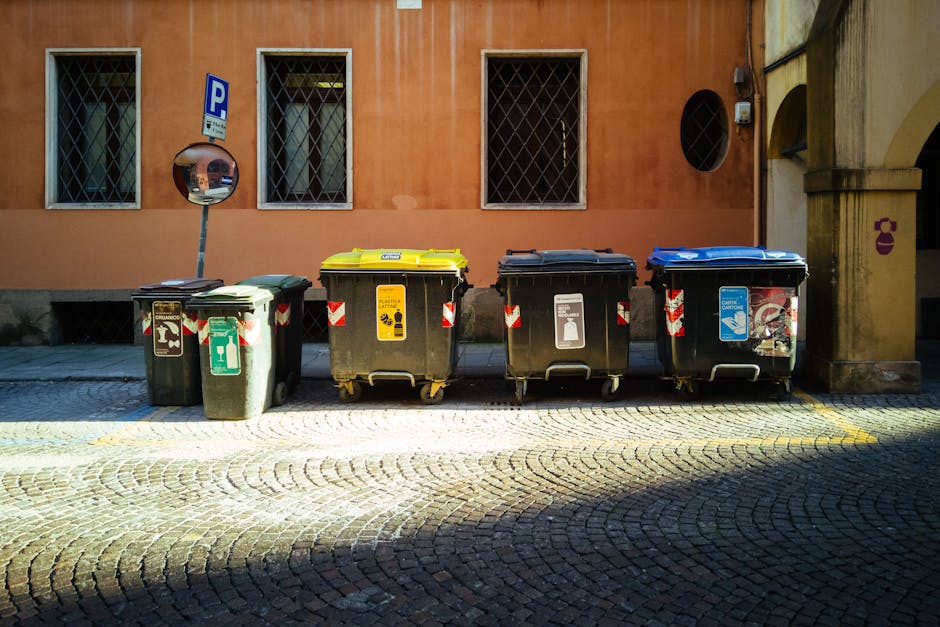
The exact rules can vary depending on the item, the property type, and whether the waste is domestic or commercial. In practice, there are usually three broad routes: council bulky waste collection, reuse or donation where suitable, and private waste removal for larger or more complicated loads. Which one is right depends on volume, access, urgency, and whether the items can be safely reused or recycled.
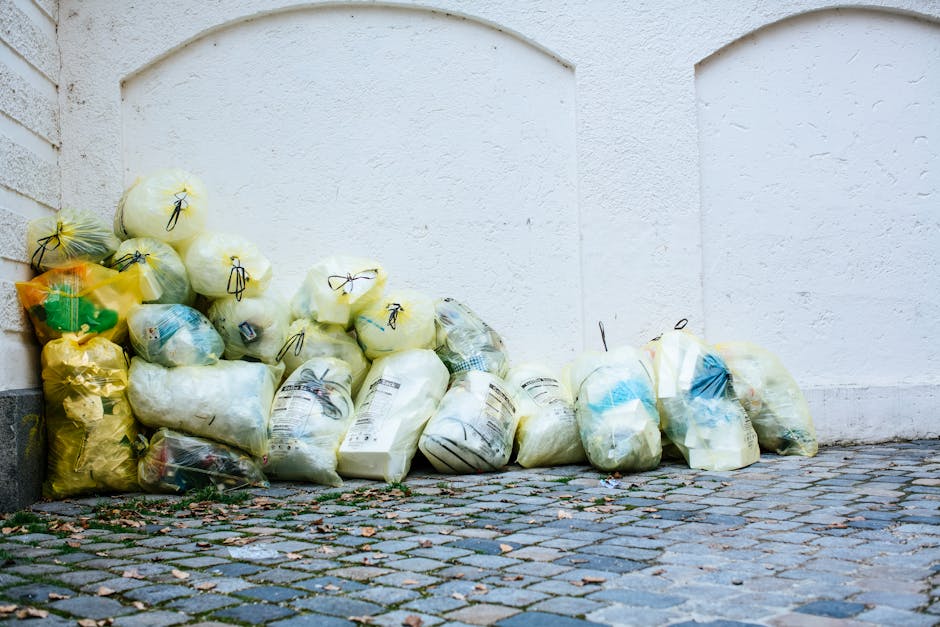
For residents in shared blocks, things can get a little more delicate. A bulky item left beside a bin store is not the same as a booked collection. It may be classed as dumped waste, especially if it obstructs access or is left without permission. That is where people get caught out. The difference between "I was just putting it out" and "I have created a nuisance" is, unfortunately, smaller than you might think.
Cleaning waste is often the part people underestimate. For example, after end of tenancy cleaning, there may be packaging, worn utensils, broken accessories, and rubbish left by the outgoing tenant. After after builders cleaning, you may also have dust-heavy debris, plaster fragments, and protective coverings that need to be contained properly. The cleaner the separation, the easier the disposal.
Key Benefits and Practical Advantages
Following the rules is not just about avoiding trouble. There are some very real benefits to doing it properly.
- Less clutter in common areas: A clear stairwell or entrance feels better instantly, especially in older Kensington buildings where space is tight.
- Lower risk of complaints: Neighbours are far less likely to raise issues when waste is removed on time and in the right way.
- Better recycling outcomes: Items separated properly are more likely to be reused or recycled instead of sent straight to disposal.
- Safer handling: Sharp edges, dirty fabrics, and heavy furniture can be managed with the right approach.
- More predictable costs: When you plan disposal early, you avoid emergency removals and avoidable penalties.
There is a softer benefit too: peace of mind. If you have ever looked at a flat full of old furniture and thought, where do I even begin?, the answer is usually not "just pile it by the door." It is sequence. Sort, separate, remove, then finish with the clean. That order matters.
This is especially useful if you are preparing a home for move-out cleaning or a new arrival through move-in cleaning. Disposal and cleaning work best together. One without the other often looks half-done.
Who This Is For and When It Makes Sense
These rules are relevant to a lot more people than most expect. If you are a homeowner, tenant, landlord, managing agent, cleaner, or business owner in Kensington, you are likely to face bulky waste at some point.
- Tenants: When leaving a property, especially at the end of a lease, you may need to remove unwanted items quickly and leave the place ready for inspection.
- Landlords: You may need to clear abandoned furniture, damaged belongings, or leftover waste after tenants move out.
- Homeowners: Renovations, decluttering, and redecorating all create waste that is bigger than the normal bin system can handle.
- Businesses: Offices, shops, and short-let properties often produce packaging, fixtures, and furniture waste that needs scheduled removal.
- Professional cleaners: Cleaners need a clear boundary between cleaning tasks and waste removal responsibilities, especially in shared or managed properties.
It also makes sense whenever the property is under time pressure. Maybe the inventory check is tomorrow morning. Maybe the building manager has already emailed once. Maybe the mattress has been leaning against the wall for three days and, well, it now feels part of the decor. That is the moment to act.
For shared buildings, communal area cleaning can be a helpful companion service because waste disposal and communal hygiene tend to overlap. A tidy lobby and a clear bin area make a noticeable difference, especially in busy blocks.
Step-by-Step Guidance
If you want to handle bulky waste and cleaning disposal properly, work through the job in stages. That way, you avoid last-minute decisions and missed items.
- Identify everything that needs to go. Walk through the property room by room. Separate furniture, textiles, packaging, cleaning waste, and anything hazardous.
- Check whether anything can be reused. Good-condition items may be suitable for resale, donation, or reuse by someone else. If it still works and is safe, do not bin it too quickly.
- Sort by type. Keep wood, metal, fabric, electronics, and general rubbish apart where possible. This makes disposal smoother and can improve recycling options.
- Remove hazardous or dirty materials carefully. Cleaning chemicals, broken glass, needles, paint residue, and contaminated cloths should be handled with extra care.
- Choose the right disposal route. Small quantities may suit a council bulky collection; larger or urgent jobs may need a private service.
- Bundle and label clearly. Bags should be tied securely. Loose waste should be contained. If items are stacked in a communal space, do so neatly and only if permitted.
- Finish with a final sweep. Once the waste is gone, go back through the area for screws, dust, packaging corners, and hidden debris under sofas or behind doors.
In our experience, the final sweep is where the difference shows. You notice the skirting board dust, the bit of tape under the radiator, the tiny screw that would have ruined a barefoot walk at 11 p.m. Annoying, yes. Preventable, also yes.
If you are booking cleaning around removal work, it can help to pair disposal with a deep cleaning appointment or a more focused one-off cleaning session. That is often the cleanest way to reset a property after clutter has gone.
Expert Tips for Better Results
A few experienced habits make the whole process much easier.
- Plan disposal before cleaning starts. If the cleaners are moving around bulky objects, the job takes longer and risks go up.
- Keep cleaning chemicals in original containers. Decanting into random bottles is a bad idea. Labels matter, and so does safety.
- Use protective coverings when moving waste through the property. Old towels, dust sheets, and cardboard can protect floors and walls.
- Think about access first. Narrow stairs, lifts, and loading areas in Kensington can make a simple removal awkward. Measure if needed.
- Use separate bags for contaminated cleaning waste. Don't mix everything together if it includes wet cloths, broken glass, or sharp debris.
- Schedule collections earlier than you think. In a busy household or managed block, the best time slot is often the one you book before you feel ready.
It is also sensible to align disposal with the property type. A rental flat might need careful handover planning, while an office might prioritise speed and minimal disruption. A service like commercial cleaning is useful when the waste forms part of a wider business tidy-up, and regular cleaning can keep build-up under control so disposal jobs stay smaller.
One small but useful rule of thumb: if an item looks awkward to carry, it probably deserves a proper plan rather than a "we'll just wing it" approach. The wing-it method has a way of becoming a two-person apology.
Common Mistakes to Avoid
Most disposal problems come from a handful of repeated mistakes. Once you know them, they are easy enough to avoid.
- Leaving bulky items in communal areas too early. This can obstruct access and create complaints or enforcement issues.
- Mixing cleaning waste with reusable items. Once contaminated, a good chair or cushion may no longer be suitable for reuse.
- Ignoring hazardous materials. Chemicals, blades, and contaminated cloths should not be thrown into normal waste without thought.
- Assuming the council will take everything. Some items need special arrangements, and some loads are simply too large or inappropriate for standard collection.
- Forgetting hidden debris. Behind appliances, under furniture, and in corners is where the awkward stuff hides.
- Not confirming who is responsible. In shared buildings or tenancies, the responsible party may be the tenant, landlord, or managing agent depending on the situation.
A common one, and yes it still happens, is trying to "tidy up" by moving everything into the corridor and calling it sorted. It looks organised for about five minutes. Then it becomes everyone else's problem.
If your clean involves soft furnishings, waste can also include worn covers, damaged cushions, or fibres removed during upholstery cleaning, sofa cleaning, or carpet cleaning. Those jobs often create small but important disposal decisions too.
Tools, Resources and Recommendations
You do not need a warehouse full of kit, but a few practical tools make bulky waste disposal far less stressful.
- Heavy-duty sacks: Better for dust, soft waste, and mixed cleaning residue.
- Gloves and sturdy footwear: Especially helpful when handling broken furniture or sharp packaging.
- Tape, labels, and markers: Useful for bundling cables, marking hazardous bags, or separating items for collection.
- Furniture sliders or a sack trolley: Handy for moving heavy items without scratching floors.
- Dust sheets: A simple way to protect hallways, lifts, and door frames.
- Sorting boxes: Great for screws, fixtures, tools, and small reusable bits that can easily get lost.
For cleaning-heavy projects, the right service mix matters as much as the equipment. A property that needs final presentation after waste clearance might benefit from window cleaning, oven cleaning, or mattress cleaning if the aim is to make the space truly ready for occupation. If the place is being prepared for a guest stay, Airbnb cleaning can help tie together turnover, disposal, and presentation.
Helpful recommendation: keep a simple disposal log for larger projects. Note what was removed, when, and whether anything was reused, recycled, or booked for collection. It sounds dull, but in shared homes and managed buildings, it avoids confusion later.
Law, Compliance, Standards, or Best Practice
When dealing with waste in Kensington, the safest approach is to follow local instructions, building rules, and accepted UK waste-handling practice. You do not need to become a legal expert, but you do need to avoid the obvious risks: fly-tipping, unsafe storage, and careless disposal of hazardous materials.
In practical terms, that means waste should not be abandoned in public areas, in front of neighbouring properties, or in shared spaces unless it has been arranged properly. If an item is too large for normal collection, treat it as a separate disposal decision. If a product may be harmful - such as chemical residue, sharp fragments, or contaminated material - do not mix it with general rubbish.
Best practice also includes protecting residents and workers. That means decent lifting methods, clear pathways, tidy storage, and careful separation of waste streams where possible. It also means being realistic about what can be done safely in one visit. A rushed job often causes more waste, not less.
For cleaning businesses and property managers, the broader compliance picture usually includes health and safety responsibilities, insurance awareness, and clear terms about what is included in the service. Kensington properties can be tight, busy, and shared, so good communication is not a luxury. It is the job.
If you are arranging a service, it is wise to read operational details such as the health and safety policy, the insurance and safety information, and the terms and conditions. That is not just admin for the sake of it. It tells you how responsibility is handled and what standards you can reasonably expect.
Options, Methods, or Comparison Table
Different disposal options suit different situations. Here is a quick comparison to help you decide.
| Method | Best for | Pros | Watch-outs |
|---|---|---|---|
| Council bulky waste collection | Single items or smaller domestic loads | Convenient, familiar, often suitable for household clearance | May not suit urgent jobs, large volumes, or mixed waste |
| Reuse or donation | Clean, usable furniture and household items | Lower waste, better sustainability, helps someone else | Only works if items are safe, complete, and presentable |
| Private waste removal | Large clear-outs, time-sensitive jobs, awkward access | Flexible timing, tailored handling, often faster | Costs vary; items still need proper sorting |
| Cleaner-led waste prep | Post-cleaning or end-of-tenancy projects | Good for separating rubbish from reusable items | Cleaner role must be clear; not every service includes removal |
The best choice is often the one that matches your access, volume, and time pressure. A single mattress in a ground-floor flat is a different story from a full office clear-out on the third floor with no lift. Same topic, very different day.
Case Study or Real-World Example
A typical Kensington scenario goes like this. A tenant is moving out of a one-bedroom flat after several years. There is an old sofa, a damaged bedside cabinet, two broken dining chairs, a bag of packaging from a recent delivery, and cleaning residue from a last-minute tidy-up. The building has a narrow staircase, a shared entrance, and a bin area that is already tight.
The first instinct is often to remove everything at once. But that creates problems. The sofa blocks the hall. The broken cabinet splinters on the landing. The packaging gets shoved beside the bin store. Suddenly there is a complaint, and the flat still is not ready.
The better approach is calmer. Sort the usable items first. Separate the broken furniture. Bag the cleaning waste. Keep sharp or messy items isolated. Then remove the bulky items using the most suitable route and finish with a detailed clean. In this kind of handover, pairing disposal with end of tenancy cleaning and, if needed, move-out cleaning usually saves time and reduces friction.
The result is not glamorous, but it is satisfying: clear rooms, no stray rubbish, and a property that feels properly reset. There is a kind of quiet relief in that final empty room. The echo changes. The smell changes too. Fresh, clean, done.
Practical Checklist
Use this checklist before you arrange collection or finish a clearance.
- Have you identified every bulky item that needs to leave the property?
- Have you separated reusable items from damaged waste?
- Have you checked for sharp, wet, or contaminated materials?
- Are the items safe to move through stairs, corridors, and lifts?
- Have you confirmed whether the waste can go through council collection or needs another route?
- Are all bags tied, labelled, and stored safely?
- Have you removed loose screws, tape, nails, and packaging fragments?
- Does the cleaner or waste mover know what is included and what is not?
- Have you checked the final area for hidden debris?
- Is the property ready for the next step, whether that is inspection, occupancy, or handover?
Expert summary: the cleanest disposal jobs are the ones that start with sorting. Once the waste is separated, everything else becomes easier - the lifting, the collection, the cleaning, and the final presentation. It is one of those small truths that saves a lot of grief later.
Conclusion
Kensington council rules for bulky waste and cleaning disposal are really about keeping properties safe, tidy, and manageable in a place where space is always at a premium. If you separate items early, treat cleaning waste with care, and choose the right disposal route, you avoid the common headaches that come with rushed clear-outs. You also make life easier for neighbours, cleaners, and anyone taking over the property afterwards.
The smart approach is simple: sort first, remove second, deep clean last. That sequence works in flats, houses, shared buildings, offices, and short-let spaces alike. It is not fancy, but it works - and honestly, good waste management rarely needs to be fancy.
If your property needs both disposal support and a proper reset, start with a plan, keep the process tidy, and leave enough time for the final clean. The difference is noticeable, and in a busy Kensington building, it can be the difference between a stressful day and a smooth one.
Get a free quote today and see how much you can save.
And if you are doing this in real time, one room at a time, that is perfectly fine. Small progress still counts. It always does.
Frequently Asked Questions
What counts as bulky waste in Kensington?
Bulky waste usually means items that are too large for standard household bins, such as furniture, mattresses, shelving, and large broken household items. In practice, if you cannot safely place it in normal waste containers, treat it as bulky waste.
Can I leave bulky waste in a communal hallway or bin area?
Usually not unless it has been arranged properly and the building rules allow it. In shared Kensington properties, leaving items in corridors or entrances can cause obstruction, complaints, and possible enforcement issues.
Is cleaning waste treated the same as bulky waste?
Not always. Cleaning waste can be smaller but still needs proper handling, especially if it includes chemicals, broken glass, contaminated cloths, or debris from a deep clean or renovation. Some of it may go in general waste, but not all of it should.
What should I do with old cleaning chemicals?
Keep them in their original containers where possible and do not mix products together. If you are unsure, treat them separately from general rubbish and follow safe handling practice. Never tip chemicals loosely into mixed waste.
Do I need to sort items before disposal?
Yes, sorting makes everything easier and often cleaner. Separate reusable items, general rubbish, soft furnishings, metals, and hazardous materials if present. That small bit of effort can save a lot of time later.
What if I am moving out and need both cleaning and disposal?
That is very common. The best approach is to remove unwanted items first, then complete the clean. Services such as end of tenancy cleaning or move-out cleaning work best when the property is already clear of bulky clutter.
Can a cleaner take away bulky waste for me?
Only if that is specifically part of the service and agreed in advance. Many cleaning services focus on cleaning rather than waste transport, so it is best to confirm responsibilities before the job begins.
What happens if I put the wrong thing out for collection?
It may be left behind, rejected, or treated as an issue that needs another collection. In some cases, incorrect disposal can also create a safety or nuisance problem, especially in a busy shared building.
How can I avoid fly-tipping problems?
Use the correct disposal route, keep waste secure, and never abandon items in public or shared areas. If you are waiting for collection, store items neatly and only in places that are allowed. That one step makes a big difference.
Are there different rules for homes and businesses?
Yes, often there are. Households, landlords, and businesses may have different expectations and waste arrangements, especially for larger clear-outs. Commercial premises also tend to produce different types of waste, which may need more structured handling.
How do I know if an item can be reused instead of binned?
Ask a simple question: is it clean, complete, and safe enough for someone else to use? If the answer is yes, reuse or donation may be better than disposal. If it is broken, contaminated, or missing essential parts, treat it as waste.
What is the safest way to handle heavy furniture?
Clear the route, use proper lifting technique, and get help for awkward items. Protect floors and walls, take your time on stairs, and do not try to rush a heavy lift just because everyone wants it done by lunchtime. That usually ends badly.