RBKC permit guide for external cleaning and scaffolding
If you are planning external cleaning in Kensington and Chelsea, scaffolding can turn a straightforward job into a permit-and-planning exercise very quickly. That is the part people often underestimate. A facade clean, window clean, render wash, or gutter clearance may look simple from the pavement, but once access equipment reaches the public highway, RBKC rules, permits, traffic management, and neighbour coordination can all come into play.
This guide explains the RBKC permit guide for external cleaning and scaffolding in plain English. You will see when a permit is usually needed, how the process tends to work, what to watch out for, and how to keep the job moving without last-minute headaches. It is written for property owners, block managers, facilities teams, landlords, and anyone trying to get a building cleaned safely and legally without chaos on the street. Truth be told, that bit matters more than most people think.
There is also a practical angle here. If you are arranging cleaning after building work, preparing a commercial facade, or scheduling a one-off deep exterior clean, the permit process can affect cost, timing, and who needs to be involved. A little foresight saves a lot of back-and-forth. And yes, it saves those awkward Monday-morning phone calls too.
Why the RBKC permit guide for external cleaning and scaffolding Matters
In Kensington and Chelsea, external cleaning is rarely just about soap, water, and a van. The borough has a dense streetscape, busy footways, high-value facades, and a lot of shared access points. If your scaffold, cherry picker, hoarding, or working platform touches the public highway, you may need approval before work begins. Even where the clean itself is routine, the access method can trigger obligations.
That is why an RBKC permit guide is useful. It helps you separate the cleaning task from the access task. They are connected, but not the same thing. A contractor might be fully competent at window cleaning or render cleaning, yet still need careful coordination with whoever handles permits and site logistics. It sounds obvious once you say it out loud, but many delays happen because the access plan was treated as an afterthought.
For external cleaning, permits matter because they affect:
- where equipment can be placed
- how pedestrians and traffic are protected
- how long the scaffold can remain in place
- what notices, inspections, or safety checks are expected
- whether neighbouring properties or occupiers need advance notice
There is also a reputational element. In a place like RBKC, residents and businesses notice when works are tidy, well-communicated, and compliant. They also notice when they are not. A scaffold left hanging around too long, or a cleaning crew arriving without the right setup, tends to stand out. You can almost hear the complaint before it is made.
How RBKC permit guide for external cleaning and scaffolding Works
The exact process depends on the job, but the logic is usually the same: identify the access method, check whether it affects the public realm, gather the necessary details, and submit the right request before work starts. If the scaffold or access equipment will sit on a pavement, road, or other controlled space, the permit stage becomes essential rather than optional.
In practice, the process usually starts with a site survey. Someone needs to look at the building and ask the awkward but important questions: can the work be done from within the boundary, or does it need external access? Is there enough room for scaffold towers, fixed scaffolding, rope access, or a hoist? Is the frontage narrow? Are there trees, lamp columns, loading restrictions, or parking bays to think about?
From there, the permit application normally needs a clear plan. You will often need to show:
- the site address and exact frontage affected
- the type of works being carried out
- the access method proposed
- the dates and likely duration
- the contractor or scaffold provider details
- evidence of safety controls and insurance arrangements
For external cleaning, the permit question often comes down to whether the method involves a scaffold occupying pavement space, a platform extending into the highway, or activity that changes normal pedestrian flow. If so, the cleaner and the access contractor need to work as one team. That is where good planning pays off. If the scaffold is late, the clean is late. If the permit is delayed, everything is late. Simple, but annoying.
If you are arranging cleaning for a block, office building, or managed property, it can help to line up the schedule against other services too. Many teams pair external cleaning with commercial cleaning support for the interior spaces, or coordinate with window cleaning when the facade works are part of a larger refresh. For post-project handovers, after builders cleaning may also be part of the plan.
Key Benefits and Practical Advantages
At first glance, a permit guide sounds like pure admin. In reality, it saves time, reduces risk, and makes external cleaning easier to deliver. The benefit is not the form itself. The benefit is predictability.
1. Less disruption
When permits are handled early, you can schedule the work around residents, businesses, deliveries, and traffic patterns. That means fewer surprises on the day and fewer people asking, "Who approved this?"
2. Safer working conditions
Scaffolding and facade cleaning both involve fall risks, dropped items, water run-off, trip hazards, and public interface issues. A permit-led plan forces everyone to think through the controls before the first pole goes up.
3. Better coordination between trades
External cleaning often depends on access specialists, cleaners, supervisors, and building management all pulling in the same direction. A permit process gives the job a shared timeline, which sounds dull, but it prevents a lot of friction.
4. Fewer delays and change fees
If the access setup is not agreed in time, you may end up rescheduling labour, extending scaffold hire, or paying for repeat attendance. Nobody enjoys that part.
5. A cleaner result
When cleaners can work properly from stable access, they can do the job properly. That means better reach, more consistent coverage, and a tidier finish on windows, stonework, cladding, or other exterior surfaces.
For property managers, there is another practical upside: a structured permit approach makes it easier to explain the programme to residents and tenants. If you also manage communal areas, communal area cleaning can be coordinated so lobbies and shared spaces stay presentable while the exterior work is underway.
Who This Is For and When It Makes Sense
This guide is relevant to anyone responsible for external cleaning where access is not simply ground-level. That includes:
- freeholders and leaseholders
- property managers and block managers
- facilities teams
- landlords and letting agents
- commercial occupiers
- builders and refurbishment contractors
- cleaning companies organising facade or high-level access
It makes sense whenever the job is more than a basic hose-and-wipe. For example:
- a mid-rise building needs scaffold for window cleaning
- a townhouse facade needs moss, pollution, or algae removal
- post-refurbishment dust has settled on stonework or ledges
- gutters or upper elevations need access for safe cleaning
- the frontage is tight and equipment will affect the pavement
If the work is domestic rather than commercial, the same planning logic still applies. A homeowner arranging a special exterior clean, or a tenant moving in after works, may not need to manage the permit directly, but they still benefit from understanding the process. It helps them ask better questions and avoid being bounced around between contractor, managing agent, and access provider. Which, let's face it, happens more than it should.
For internal services that often sit alongside exterior work, you may also find domestic cleaning, house cleaning, or office cleaning useful when the building needs a full refresh before reopening or handover.
Step-by-Step Guidance
Here is a practical way to approach external cleaning and scaffold planning without getting tangled in the details.
- Start with the access question. Decide whether the work can be done from inside the boundary, from the ground, or only with external access. Do not guess. A quick visual check is rarely enough on its own.
- Assess the frontage. Measure the pavement width, note parking bays, loading points, street furniture, trees, and any fixed obstacles. Narrow streets in RBKC can be deceptively tricky.
- Choose the safest access method. Scaffolding is not always the answer. Depending on the building, a platform, tower, rope access, or alternative method may be more practical. The point is to match the method to the job, not the other way round.
- Confirm who is responsible for the permit. In many projects, the scaffold contractor or managing contractor handles the application, but this should be confirmed early. No one likes the "I thought you were doing it" conversation.
- Prepare the supporting information. Have the site details, scope of works, dates, drawings or sketches if needed, and insurance information ready. Incomplete paperwork is one of the biggest causes of delay.
- Plan for public safety. Think about barriers, signage, lighting, debris control, and walkways. The job does not end when the scaffold is erected.
- Schedule the cleaning window. Keep the cleaning team, access team, and building occupier aligned. Exterior cleaning is much smoother when the scaffold dates are fixed and everyone knows the sequence.
- Inspect before and after. Check the setup before work starts and review the site once the scaffold is down. A good end-of-job walkthrough catches the little things: debris, missed spots, or minor damage that is easier to resolve immediately.
A small but valuable tip: build a little slack into the programme. A weather delay or a permit clarification can happen. If the whole job is planned to the minute, one minor change can knock everything sideways.
Expert Tips for Better Results
After enough external cleaning jobs, a few patterns become clear. The best outcomes usually come from simple habits done early.
Keep the scope very specific. Saying "clean the exterior" is too vague. Say exactly what surfaces are included, what is excluded, and what finish is expected. Window frames, ledges, sills, stonework, signage, and balcony edges should be agreed in advance.
Use a single point of coordination. One person should be responsible for timing, updates, and sign-off. If five people are answering the same question, something will drift. Usually at the worst possible moment.
Ask about water management. External cleaning can create splash, runoff, or residue. In busy streets or shared courtyards, that matters. Consider where the water goes, how surfaces will dry, and whether neighbouring property needs protection.
Think about residents and occupiers. Early notice goes a long way. A simple note about access dates, noise, and any temporary restrictions often prevents complaints later. People are much more forgiving when they know what is happening.
Do not treat scaffold hire as just a box to tick. The structure should suit the cleaning task. If operatives need awkward reaches or repeated repositioning, the job becomes slower and less safe. The right scaffold design saves labour as much as anything else.
Match the cleaning method to the surface. Gentle methods suit delicate facades; more robust methods may be appropriate for certain hard surfaces. Using too much pressure, or the wrong chemical, can do more harm than dirt ever would. That is the annoying truth, but still the truth.
When the project needs a deeper reset after works, it can be worth pairing the exterior programme with deep cleaning inside the property or adding end of tenancy cleaning if the building is being prepared for new occupancy.
Common Mistakes to Avoid
Most permit-related problems are preventable. Here are the ones that come up most often.
- Leaving the permit too late. The access plan should be sorted before contractors are booked where possible.
- Assuming scaffolding always counts as "just logistics." If it affects the public highway, it is more than logistics.
- Ignoring the time needed for approvals. Even a straightforward application can take longer than expected if information is missing.
- Forgetting about neighbours or occupiers. A well-run job still needs communication. Silence tends to breed frustration.
- Using the wrong access method. If the equipment is overkill or under-suited, cost and risk rise together.
- Not checking insurance and safety documents. A proper contractor should be able to explain how public safety and site safety are being managed.
- Letting the schedule slip after the scaffold is up. Every extra day costs money and keeps the frontage occupied longer than necessary.
One little mistake can create a domino effect. A delayed permit means a delayed scaffold. That means a delayed clean. Then the occupier pushes back because the building looks half-finished. It snowballs quickly, honestly.
Tools, Resources and Recommendations
You do not need fancy software to manage an RBKC permit-led cleaning project, but a few practical tools help a lot.
- Site photographs: take clear pictures of the frontage, pavement width, and any obstacles.
- Simple measurements: note approximate widths, heights, and any awkward clearances.
- Programme checklist: keep dates for permit submission, scaffold erection, cleaning, inspection, and dismantling.
- Contact list: include the building manager, contractor lead, cleaner, scaffold lead, and any occupier representative.
- Surface notes: record what materials are being cleaned so the method can be matched properly.
It also helps to keep a short written brief that covers access, scope, and handover expectations. This does not need to be a formal report. A clear one-pager often works best. In real life, short and specific wins more often than grand and unreadable.
If your external clean is part of a bigger property refresh, you may also want to line up related services such as window cleaning, carpet cleaning, or upholstery cleaning so the site feels complete when the access equipment is removed and the dust has settled.
Law, Compliance, Standards and Best Practice
Whenever scaffolding and external cleaning involve public areas, you should treat compliance seriously. The exact permissions and controls depend on the site, the frontage, the equipment used, and the local authority requirements. In a borough like RBKC, the practical expectation is that access arrangements are safe, well planned, and properly authorised where needed.
Best practice usually includes:
- safe access and egress for workers and the public
- clear segregation between work zones and pedestrian routes
- appropriate inspection of scaffolding and access equipment
- good housekeeping to prevent slips, trips, and debris issues
- insurance arrangements that match the level of risk
- competent supervision and clear responsibility lines
For external cleaning, the same common-sense standard applies to methods and materials. The cleaner should understand the surface, the exposure, and the potential impact on surrounding areas. A careful contractor will not rush a delicate facade just to finish early. That is the sort of mistake that can turn a tidy project into a costly repair.
Compliance is also about communication. If the works affect residents, tenants, or businesses, notice and coordination are part of doing the job properly. This is especially true where access affects entrances, deliveries, or shared walkways. A bit of forethought goes a long way here.
Finally, keep records. Not because you expect a problem, but because good records make it easier to demonstrate what was planned, who approved it, and when work was carried out. It is a quiet habit, but a useful one.
Options, Methods, or Comparison Table
Not every exterior cleaning project needs the same access method. Choosing the right one is often the difference between a clean, efficient job and a slow, expensive one.
| Access method | Best for | Strengths | Watch-outs |
|---|---|---|---|
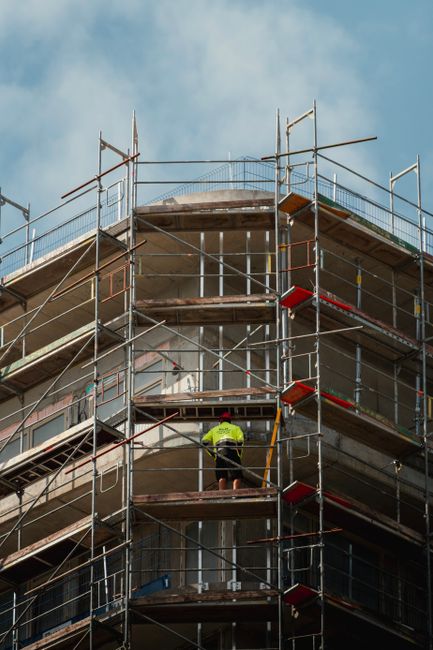
| Fixed scaffolding | Longer facade cleans, detailed high-level work, hard-to-reach elevations | Stable, versatile, good for repeated access | Can occupy pavement space and may need more coordination |
| Mobile tower or podium | Shorter tasks at moderate height | Flexible and quicker to position | Not suitable for every site or every surface |
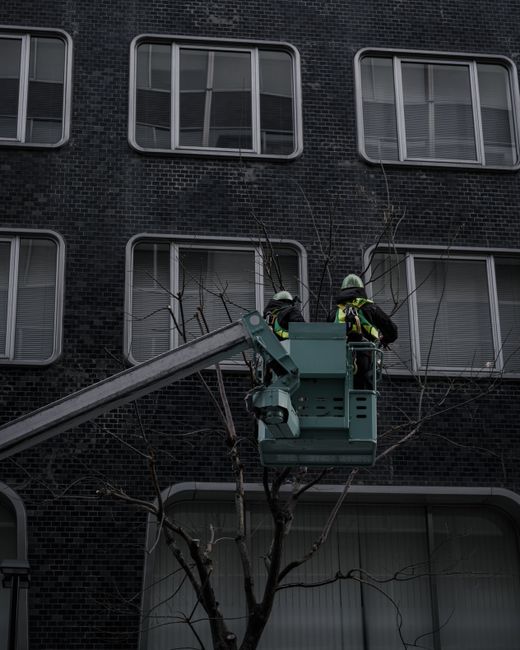
| Cherry picker or MEWP | Targeted access where ground conditions allow | Fast setup, efficient for specific points | Needs space, safe ground conditions, and careful traffic planning |
| Rope access | Selected high-rise or awkward facades | Minimal footprint, useful where scaffold is impractical | Requires specialist competence and clear risk assessment |
There is no universal winner. Fixed scaffold is often the safest and most practical choice for longer cleans, but it is not the neatest option for every frontage. Rope access can be excellent where space is tight, yet it is not the answer for everything. The right approach depends on the building, the surface, the duration, and the street context.
Case Study or Real-World Example
Imagine a mixed-use building in Kensington with retail units at ground level and residential flats above. The upper windows need a full external clean after winter, and the stone details under the sills are holding on to dirt from months of rain and traffic. The frontage is narrow, with a busy pavement and limited room for equipment.
The first instinct might be to book the cleaning team and sort the rest later. That is where trouble starts. Instead, the managing agent checks the frontage, confirms the access requirement, and works with the scaffold contractor to prepare the permit information early. Notices go to occupiers, the cleaning window is set, and the team agrees exactly which elevations are included.
On the day, the scaffold goes up, the cleaners work through the facade in a controlled sequence, and the building is left tidy. The real win is not just the clean finish. It is the lack of drama. No blocked entrance. No confused residents. No last-minute cancellations because someone forgot the pavement space needed approval. A plain, organised job. Beautiful, in its own way.
That kind of project often works best when the exterior work is part of a wider maintenance cycle. For instance, a landlord preparing for a new tenancy may combine access planning with move out cleaning or move in cleaning once the property is ready for reoccupation.
Practical Checklist
Use this checklist before you start any external cleaning job involving scaffolding or other access equipment.
- Confirm whether the work affects the public highway or footway
- Inspect the frontage and measure the available space
- Choose the safest access method for the job
- Agree who is handling the permit application
- Gather site photos, dates, and scope details
- Check insurance and safety arrangements
- Plan pedestrian safety, signage, and debris control
- Notify residents, occupiers, or neighbours where relevant
- Set a realistic cleaning window with some buffer time
- Inspect the site before work starts and after it finishes
- Record sign-off and keep notes of any issues
Quick takeaway: if the access plan is clear, the permit stage is usually much easier. If the access plan is fuzzy, everything else gets harder. That really is the dividing line.
Get a free quote today and see how much you can save.
Conclusion
A good RBKC permit guide for external cleaning and scaffolding is not just about compliance. It is about getting the job done cleanly, safely, and without unnecessary friction. The permit conversation, the scaffold plan, and the cleaning schedule should all support each other. When they do, the whole project feels calmer. More controlled. Less noisy in every sense.
If you are responsible for a building in Kensington and Chelsea, the best move is usually to plan early, ask direct questions, and keep the access method tightly matched to the work. It sounds simple because it is simple, once you strip away the jargon. The trick is doing the simple things early enough.
And if you have ever stood on a pavement looking up at a facade and wondering why the process feels more complicated than the cleaning itself, you are not alone. It often is. But with the right approach, it becomes manageable, and even rather satisfying when it all clicks into place.
Frequently Asked Questions
Do I need a permit for external cleaning in RBKC?
It depends on the access method and whether the works affect the public highway or pavement. If scaffolding, platforms, or other equipment occupy shared space, a permit or approval is usually part of the process.
Who normally applies for the scaffold permit?
In many projects the scaffold contractor or principal contractor handles it, but that should be confirmed in writing at the start. The important part is making sure one person owns the task rather than assuming someone else has it covered.
How far in advance should I plan external cleaning with scaffolding?
As early as possible. The more complex the frontage, the more time you should allow for measurements, permit preparation, occupier notices, and scheduling. Rushing this stage tends to cause delays later.
Can window cleaning be done without scaffolding?
Sometimes, yes. It depends on height, access, the building layout, and safety considerations. For some properties, ground-based methods or alternative access systems may work better than scaffold.
What makes external cleaning in Kensington and Chelsea more complicated?
Dense streets, limited pavement space, mixed-use buildings, and shared access points can all make planning more detailed. That does not mean the job is difficult, just that it needs a bit more coordination.
Is scaffolding always the safest option?
Not always. It is often a strong option for repeated access and longer jobs, but the safest method depends on the site. The right answer is the method that suits the building and the task, not the one that feels familiar.
What should I check before booking external cleaning?
Check the access route, frontage dimensions, likely permit needs, insurance, the proposed cleaning method, and how long the structure will stay in place. A short site review can prevent a long list of problems.
What if my building is part of a managed block?
Then the managing agent, freeholder, and occupiers may all need to be kept informed. Shared buildings benefit from early notice and clear sign-off, especially when access affects entrances or communal areas.
Can I combine external cleaning with other cleaning services?
Yes, and it often makes sense. External work is sometimes combined with interior services such as deep cleaning, office cleaning, or move-in cleaning so the whole property is ready at the same time.
What are the biggest delays in scaffold-led cleaning projects?
Missing information, late permit decisions, unclear access responsibility, and poor coordination between trades are the usual culprits. Weather can also play a part, of course. London being London.
How do I know whether the surface needs specialist treatment?
If the facade includes stone, render, heritage materials, or sensitive finishes, ask for a careful assessment before any cleaning method is chosen. The wrong method can cause more damage than dirt ever would.
What is the best way to avoid complaints from neighbours or occupiers?
Give notice early, explain the dates and expected disruption, keep the site tidy, and stick to the agreed schedule as closely as possible. People are usually fine with works when they feel informed and respected.